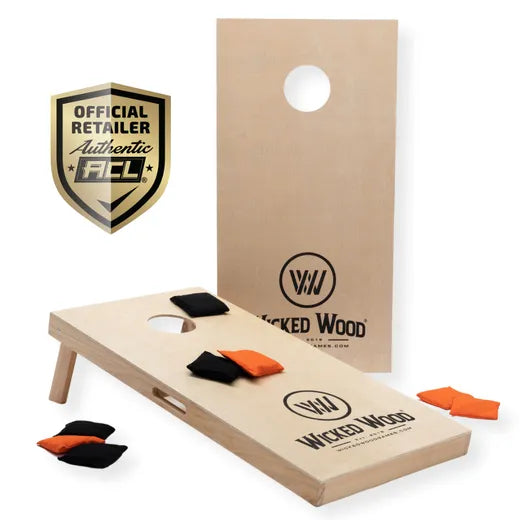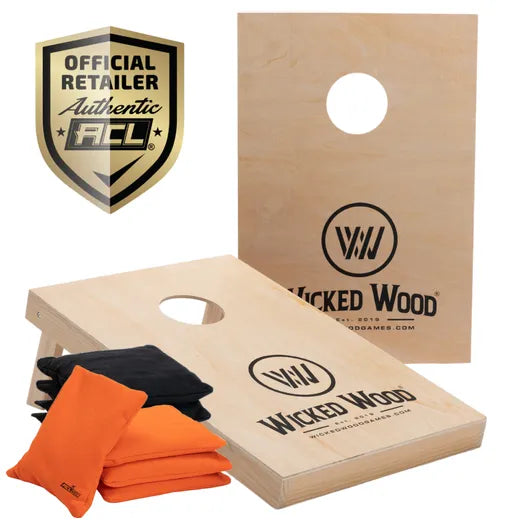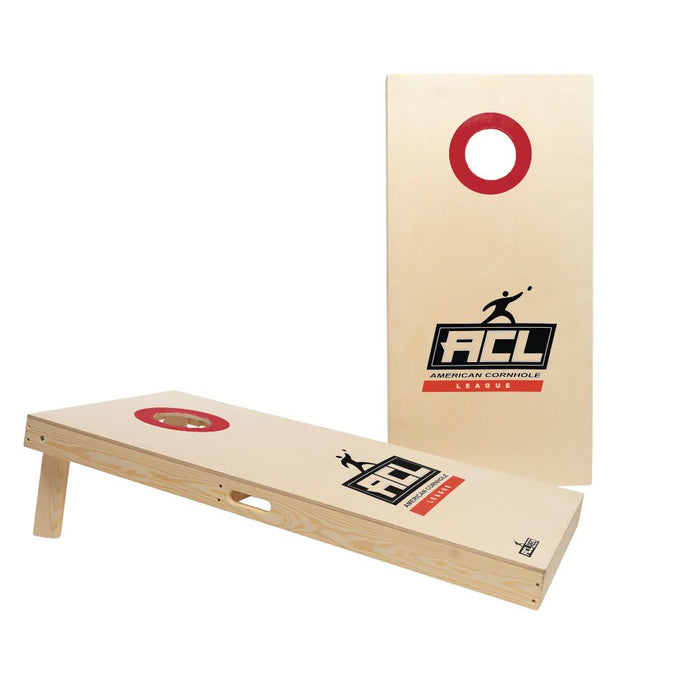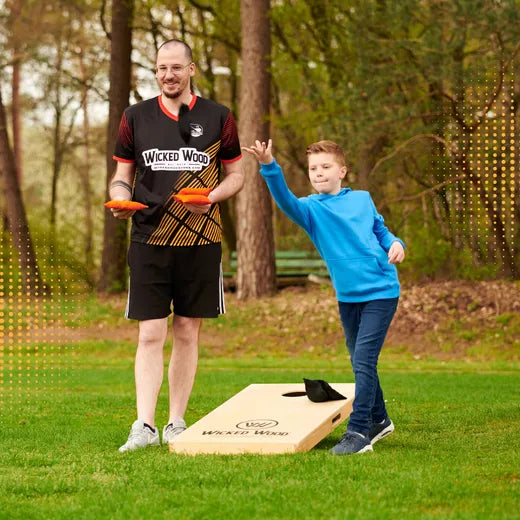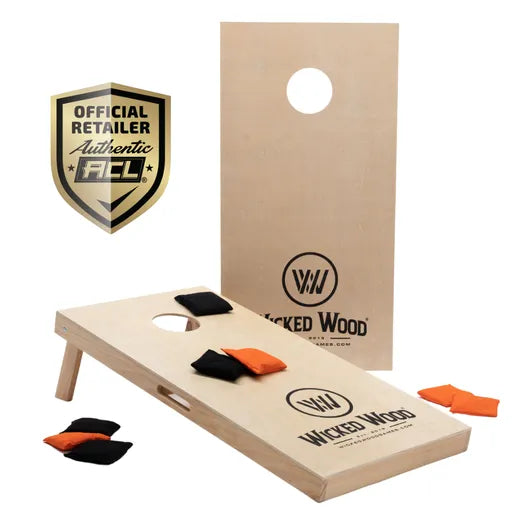
Cornhole is a fun garden and backyard game that has become hugely popular. It’s easy to learn, but can be challenging to master. Whether you play just for fun or you want to compete, knowing the cornhole rules really matters. Cornhole has grown from a simple lawn game into a competitive sport with official tournaments. Let’s walk through the official cornhole rules, standard cornhole distance and scoring, plus a few fun variations to help you play like a pro.

Cornhole rules and game flow
There are lots of different “house rules” out there, and you’re free to tweak the rules to match your level. Below you’ll find the most common official style of play, but in section 7 (Variations) you’ll see many other versions people like to use.
- Objective: be the first team to reach 21 or more points
- Equipment: two boards with a hole, placed at the official cornhole distance of 8.23 metres from front edge to front edge
- Scoring: 3 points for bags in the hole, 1 point for bags on the board
- Game flow: players alternate throws, each throwing 4 bags per round
- Cancelling scoring: only one team can score each round (you subtract the losing team’s points from the winning team’s points to get the round score; for example, Team 1 scores 8 points and Team 2 scores 6 points, so the round score is 2 points to Team 1, added to their total)
- Foul line: players may not step past the front of the board when they throw
- Underarm throws only: overarm throws are not allowed
Completely new to the game? Also check our Cornhole beginner’s guide for a quick introduction to the basics and the bean bag toss motion.

1. The basics: setting up your cornhole court
Before you start playing, you need to set up your cornhole court correctly. The right layout is important for fair play and it can influence your strategy. Here’s what you need to know about cornhole distance and dimensions:
- Distance between the boards: 8.23 metres (27 ft) between the front edges of the boards. You can shorten this for casual games or if you’re just starting out.
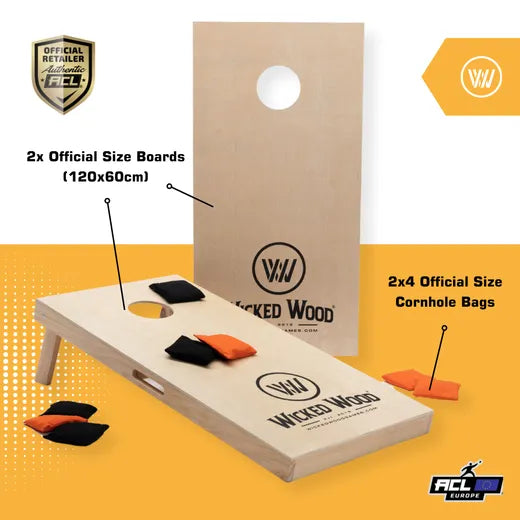
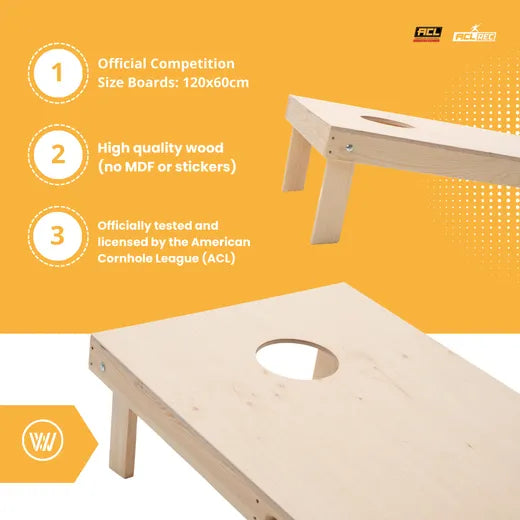
- Board size: 60 cm wide by 120 cm long. For beginners you can also play with boards of 60 cm by 90 cm.
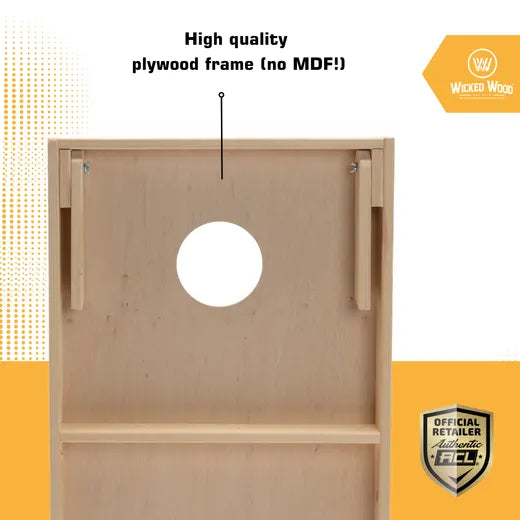
- Hole diameter: 15 cm, centred 23 cm from the top of the board. This is the standard size for all official cornhole sets.
- Playing surface: ideally play on a flat surface. Grass, concrete or special mats all work well, but make sure both ends are as similar as possible. The surface can affect how much the bags bounce and slide on the board.
- Cornhole bags: 4 bags per team. Each team uses its own colour or design.
For backyard games you can adapt these measurements to fit your space. Just make sure both teams play with the same layout. Being able to set up a cornhole game almost anywhere is one of the best things about the sport. Try different court layouts to keep your games fresh and challenging. For a full overview of official cornhole distance and dimensions, take a look at our dedicated cornhole distance guide.

2. Equipment: boards and bags
To play cornhole, you’ll need:
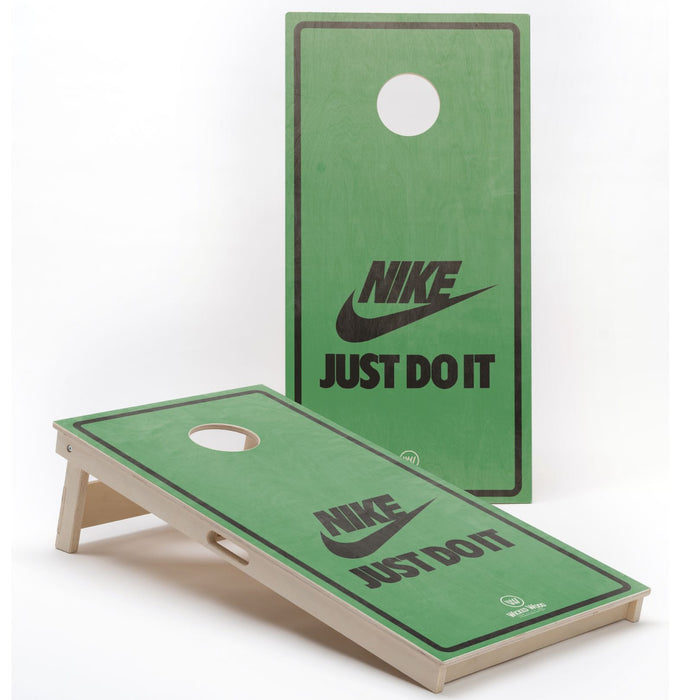
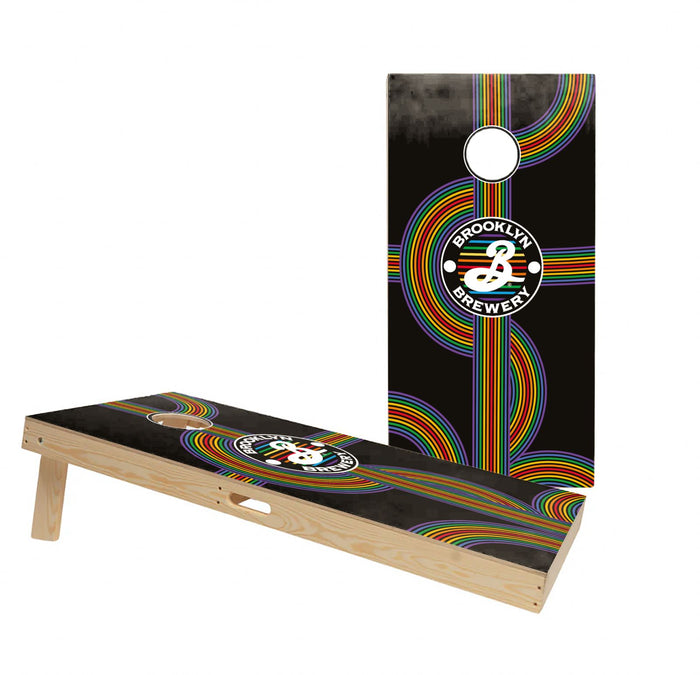
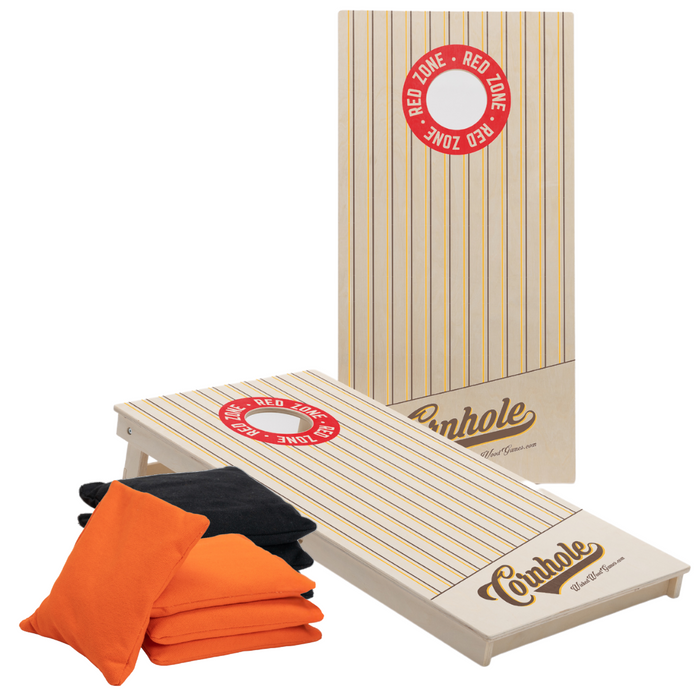
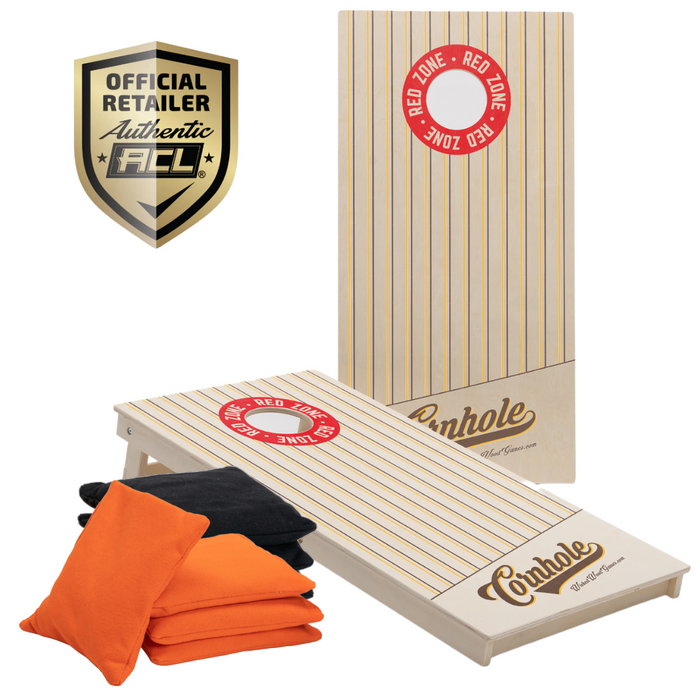
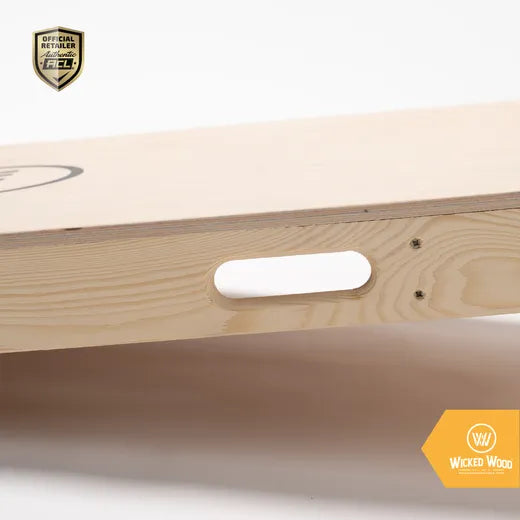
- 2 cornhole boards: the surface should be smooth so the bags can slide. A vinyl or sticker surface is fine, but bags will usually slide a bit less. You can start with 1 board if you are only playing with 2 players.
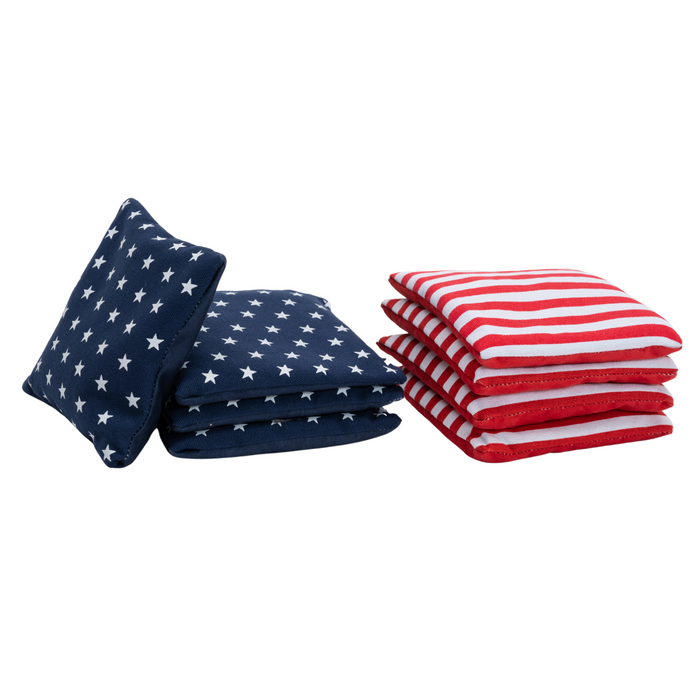
- 8 cornhole bags (4 of each colour): different colours make it easier to keep track of scoring and avoid confusion during the game.
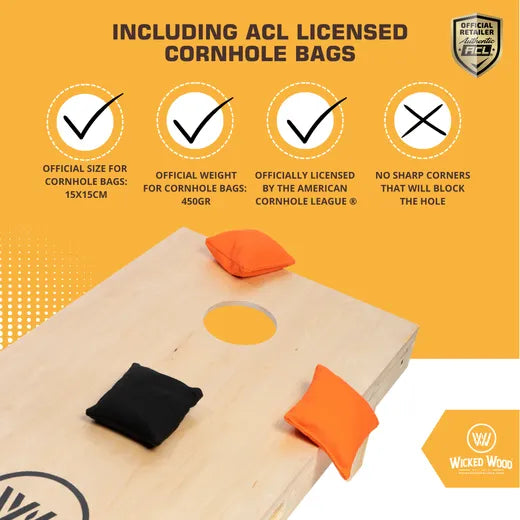
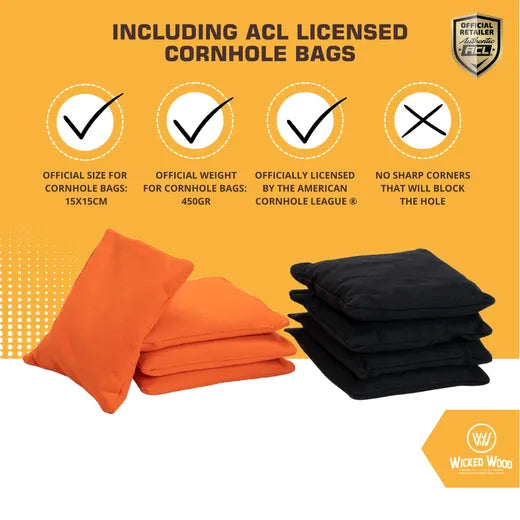
Official cornhole bags are 15 cm square and weigh between 447 and 461 grams. They are usually filled with corn kernels or plastic pellets. The weight and size are carefully defined so games stay fair in competitive play. For casual games at home you can use any bean bag that is comfortable to throw, but playing with bags close to the official size will help you improve more quickly.
The material and fill of the bags can really change how the game feels. Corn-filled bags feel very traditional and make that classic “thud” sound, while plastic pellets last longer and don’t soak up water easily. Some players like a mix to get their ideal throwing feel. There are also different fabrics, and many bags have a slick side and a slower, grippy side for extra strategy. Browse different types of cornhole bags to find the bags that best match your playstyle. ACL licensed bags ensure your gear always meets competition quality. Not sure which bag to choose? Read our cornhole bag buying guide before you buy cornhole bags.

3. How to play: basic cornhole game flow
Once everything is set up, this is how you play a standard game of cornhole:
- Split into two teams (singles or doubles): in singles, each player competes alone. In doubles, teams of two players face each other.
- Decide which team throws first (you can flip a bag or toss a coin): this can be important, so choose a fair method.
- Players alternate throws towards the opposite board: this back-and-forth rhythm lets players adjust their strategy based on what the opponent does.
- Throw all of the bags, then count the points: each player throws four bags per round, giving you different ways to put your opponent under pressure, for example by blocking their path to the hole.
- At the end of the round, add up the points: 3 points for a bag in the hole, 1 point for a bag on the board, 0 if the bag hits the ground (even if it ends up partly on the board). The losing team’s points are subtracted from the winning team’s points to get the round score. That round score is added to the running total. Example: Team A scores 3 bags on the board and 1 in the hole (6 points). Team B scores 2 bags on the board, 1 in the hole and 1 off the board (5 points). Team A gets 1 point (6 – 5 = 1) added to their total.
- The team that won the last round throws first in the next round: this adds strategy, because the leading team can control the pace of the game.
- Keep playing until one team reaches 21 points or more: the score can swing very quickly, so stay focused all the way through. For more relaxed backyard play you can use house rules where you must hit exactly 21 points.
Remember: all throws must be underarm, and players must stay behind the front of the board when they throw. This underarm rule keeps the game fair. Your footwork is also important; many players develop a throwing routine, just like in bowling.
Some strategies to consider while you play:
- Blocking: placing bags in front of the hole to make it harder for opponents to score
- Pushing: using your throw to push your own bag or an opponent’s bag into a better (or worse) position
- Sliding: learning to throw so your bag lands, slides and drops cleanly into the hole
For more tactical tips and throw types, check our in-depth cornhole strategy guide and the cornhole technique page.

4. Scoring: how cornhole scoring works
Cornhole scoring is simple to learn, but it’s important to understand the cancelling method, because it adds a lot of strategy to the game:
- Bag in the hole: 3 points (a “Cornhole”) – this is what you aim for and it can quickly decide who wins.
- Bag on the board: 1 point (a “Woody”) – even if you miss the hole, it’s good to keep your bag on the board.
- Bag that hits the ground: 0 points (a “Foul bag”) – any bag that touches the ground before the board does not score.
-
The approved method of scoring for the sport of cornhole is “cancellation” scoring. With cancellation scoring, the points of one player cancel out the points of their opponent. With this method only one player/team can score in each turn.
After every round, you subtract the losing team’s points from the winning team’s points. The difference is the score for that round. For example, if Team A scores 5 points and Team B scores 3 points, Team A gets 2 points for that round. That is the score that gets added to their total on the way to 21.
This way of cornhole scoring makes the game more strategic:
- It forces players to think about defence, because knocking an opponent’s bag off the board can be just as powerful as scoring for yourself.
- It allows teams to come back quickly, because one strong round can close a big gap.
- It makes you think carefully about your own throws and what your opponent can score in return.
A few more things to remember about cornhole scoring:
- Scores are taken at the end of the round, so later bags can change the scoring.
- Bags that bounce from the ground onto the board do not count.
- A bag that is pushed into the hole by another bag still counts as 3 points.
- A bag that is knocked off the board during the round does not count at the end of the round.
Want to see all the different cornhole scoring options (like “exact 21”, skunk rules and alternative formats)? Check our dedicated page on cornhole scoring & game variants.
5. Fouls and violations: keeping it fair
To keep games fair and fun, watch out for these common fouls:
- Stepping over the foul line (front of the board) while throwing: this is one of the most common mistakes and can give a player an unfair advantage.
- Throwing from outside the designated pitcher’s box: players must stay in the correct area so everyone throws from the same spot.
- Taking more than 20 seconds to throw: this rule keeps the game moving and prevents stalling.
If a player commits a foul, their throw does not count and the bag is removed from the board. In friendly games you might be more relaxed with these rules, but in competitions they’re enforced strictly. It’s a good idea to agree how strict you’ll be before you start playing.
Other things to consider for fair play:
- Clean the boards between games so the surface stays consistent for everyone.
- If it’s windy, all players should agree what to do if the wind moves bags after they’ve landed.
- If a bag is damaged during play, replace it straight away to keep things fair.
Unless your house rules say that all of the above is allowed – in which case, who are we to argue? 🙂
6. Winning the game: race to 21
The first team to reach 21 points or more wins the game. But there are a few important things that can change how you play the final rounds:
- Some players use a “skunk” rule, where the game ends if one team reaches 11 points while the other still has 0. This makes games more dramatic and encourages strong play from the start.
- In tournaments, games might be played to a different target score or with a time limit. These changes can really affect your strategy, especially in timed games.
End-game strategies to think about:
- If you’re close to 21, you might want to play more defensively to stop your opponent scoring while you close out the game.
- Be aware of “bust” rules in some formats, where going over 21 sends your score back to 13 or 15.
- In tight games, focus on consistent scoring rather than risky throws that could go badly wrong.
Learn more about official cornhole tournament rules if you’re interested in league play. Want to organise your own event? Have a look at our guide to cornhole tournaments and competitive play.
7. Variations: backyard rules and fun twists
While official rules are great for competitive play, many people like to switch things up for casual games. These tweaks can make the game more exciting, fairer for mixed skill levels, or just a bit different:
- Shorter distances for children or beginners (try 4.5–6 metres instead of 8.23 metres): this makes the game easier and more fun for players who are still learning to throw.
- Play to 11 or 15 points for quicker games: ideal if you want to play several rounds or you don’t have much time.
- Backyard “bust” rule: you must land exactly on 21 points; if you go over, your score is reset to 13 or 15 points.
- Allow all throwing styles (not just underarm): this can lead to some creative and entertaining throws.
- Add obstacles or targets on the board for extra points: place smaller targets or create zones with bonus points to make the game more complex.
- “Cornhole Golf” – set up a course with several boards and score it like golf: this turns your garden into a full cornhole course, adding variety and strategy.
More fun cornhole variations to try:
- “Around the World”: players have to hit specific spots on the board in a set order.
- “Blind Toss”: players throw with their eyes closed, relying on muscle memory.
- “Partner Swap”: in doubles, partners switch sides after each round, which demands good teamwork and adaptation.
- “Speed Cornhole”: set a timer and see how many points teams can score in a fixed time.
Backyard Rules:
Remember: the most important rule is to have fun. These variations keep the game fresh and exciting, especially if you play often. Discover more cornhole variants to keep things interesting at your next garden party or family get-together. Want all of these options in one place, including different cornhole scoring styles? Take a look at our page on cornhole variants and scoring.
Backyard rules:
8. Etiquette and good sportsmanship
Cornhole is a social game, so good sportsmanship is key if you want everyone to have a great time. Here are some tips to keep games friendly and fun for all players:
- Wait for your turn and don’t distract other players: respect others when they’re concentrating, and keep things calm and quiet during throws.
- Be honest about scoring and fouls: in friendly games, players often call their own fouls, so honesty is really important. If you’re not sure about a decision, offer a re-throw or let your opponent decide.
- Encourage all players, whatever their level: cornhole should be fun for everyone. A few kind words can make the game more enjoyable and help new players feel welcome.
- Keep the banter light-hearted: a bit of friendly teasing is fine, but make sure it stays good-natured and never crosses the line.
- Thank your opponents for the game, win or lose: appreciating the game itself, regardless of the result, shows good character and sportsmanship.
More things to keep in mind:
- Respect the equipment: don’t stand on the boards or mistreat the bags, especially if they aren’t yours.
- Be aware of your surroundings: make sure your throws and movements don’t endanger spectators or nearby games.
- Offer to help with set-up and clean-up: that team spirit makes the social side of the game even better.
- Include everyone: if you’re playing in a group, rotate players or teams so everyone gets a chance to join in.
By following these guidelines, you’ll help make sure everyone enjoys playing cornhole and you’ll create a positive, welcoming atmosphere that keeps people coming back – whether you’re playing in the garden or at official cornhole tournaments.
Conclusion: throw, score and enjoy
Now that you know the basic cornhole rules, it’s time to play. Whether you follow the official rules or use your own backyard versions, the most important thing is having fun with friends and family. Cornhole is brilliant because it’s simple and everyone can join in – people of all ages and levels can enjoy the game.
As you play more, you’ll develop your own throwing techniques, strategies and maybe even special house rules that make the game extra fun for your group. Practice makes perfect, so keep throwing those bean bags and you’ll improve fast. If you want to level up your game even more, dive into our guides on cornhole distance, cornhole technique and cornhole strategy.
Cornhole is more than just a game; it’s a great way to bring people together. It’s perfect for garden barbecues, tailgating at sports events, or as a fun activity at work events. You can play cornhole almost anywhere, which makes it a top choice for outdoor fun. Already own a set? Keep it in top condition with our cornhole maintenance guide. And if you ever get confused by terms like “airmail”, “blocker” or “woody”, our detailed cornhole glossary has you covered.
Ready to play – or to buy cornhole boards and bags? Browse our range of high-quality cornhole sets and get ready for hours of fun. We have starter sets for beginners and pro-level equipment for serious players. Happy throwing – may your bags always find the hole.
Want every tiny detail of the official rulebook? Download the official American Cornhole League (ACL) Rules.